
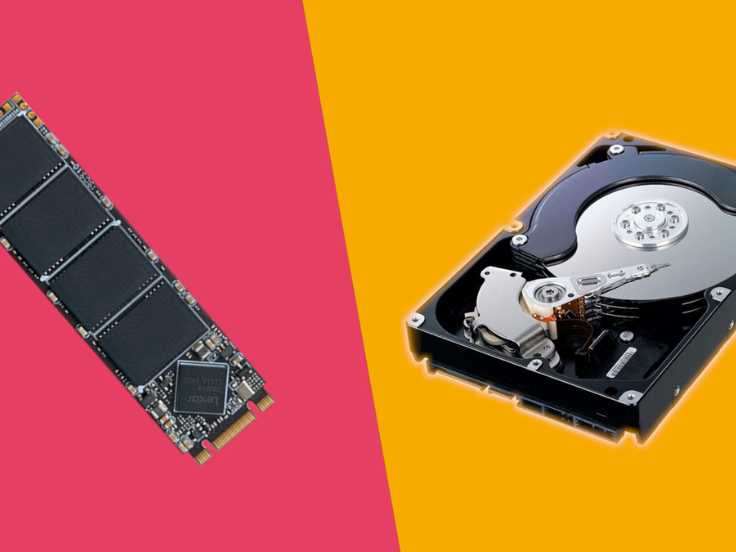
When choosing a computer or upgrading a hard drive, many people ask: Which is faster, an SSD or an HDD? The answer is actually quite simple—SSDs are significantly faster than HDDs, but their structures and uses differ.
SSDs (Solid State Drives) use electronic chips to store data, without any mechanical components, resulting in extremely fast read and write speeds. Booting takes only seconds, applications load quickly, and file copying is smoother. Because there’s no vibration, noise, or rotating parts, SSDs are more durable, energy-efficient, and less prone to damage from drops.
HDDs (Hard Disk Drives), on the other hand, rely on the rotation of internal magnetic platters to read data. While they offer larger capacities and are cheaper, they are relatively slower. Booting takes longer, and software startup and large file read/write operations require more time. Over time, the mechanical structure wears down, making them more prone to stuttering or noise.
If speed and performance are your priorities, an SSD is the absolute first choice;
If you prioritize large capacity and have a limited budget, an HDD still has its value.
In short: SSD = fast, lightweight, and durable; HDD = inexpensive and has large capacity.
Want to improve your computer’s overall speed? Upgrading to an SSD is often the most noticeable improvement.